Your Complete Guide to Moving to Saskatoon, Saskatchewan
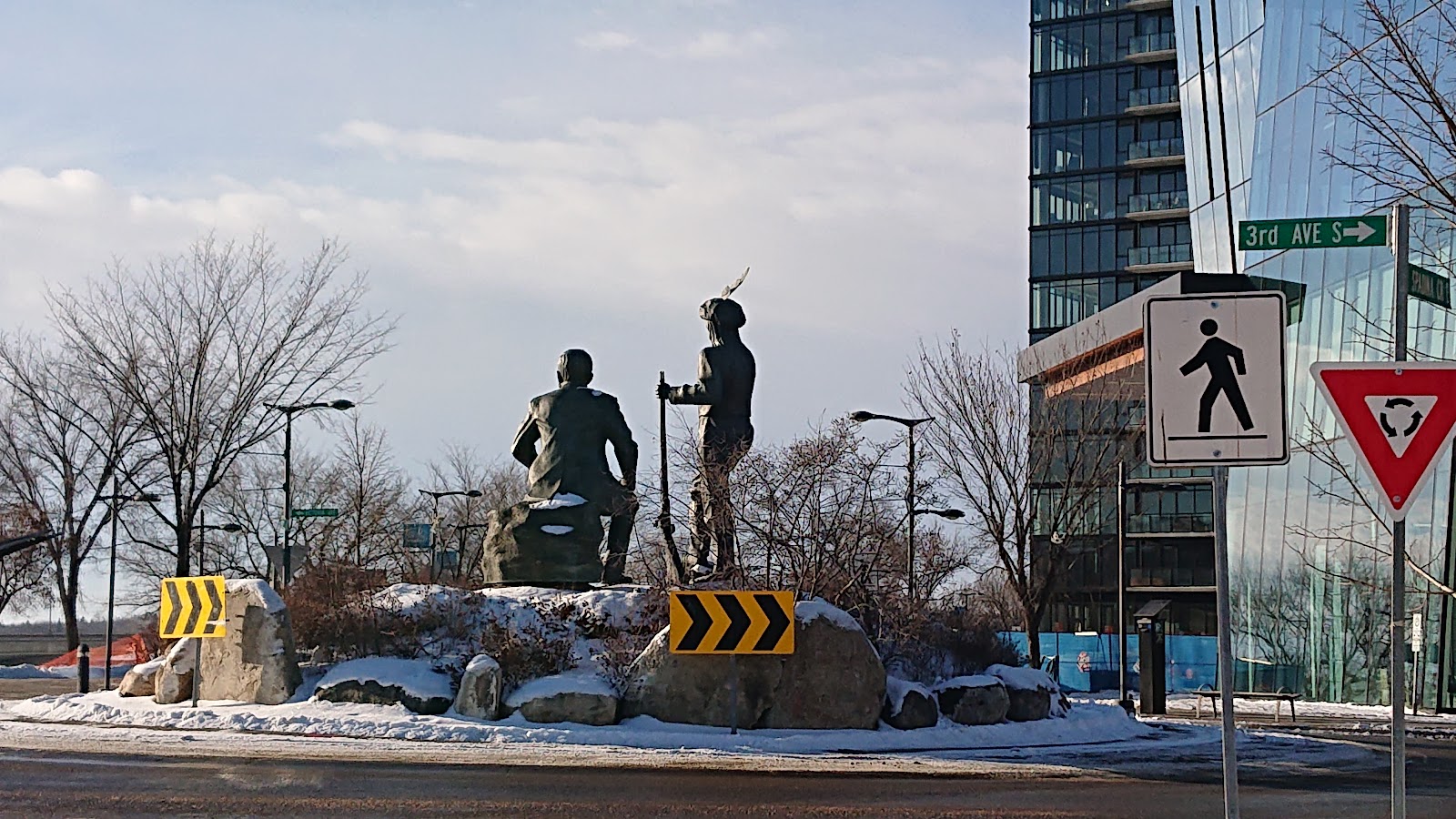
Photo: John Powszedny
You have already made the decision. Saskatoon is next. Now you need to know what it is actually like to land there, find a neighbourhood, get your kids enrolled, figure out where the groceries are, and build a life in a city you have never lived in. This guide is built for that exact moment.
Quick Transfer Moving and Storage operates out of Winnipeg, Manitoba. We are a family-owned United Van Lines (Canada) Ltd. member, and we move families and businesses from Winnipeg to Saskatoon regularly. The drive is about 781 kilometres, roughly eight hours on the Trans-Canada and Highway 16. We know the route, we know the logistics, and we know the questions people ask once they get there. This is everything we wish someone had handed us the first time.
Family-owned and operated in Winnipeg with personal accountability on every move. Proud member of United Van Lines (Canada) Ltd. for national and international reach. Written estimates and transparent pricing because you deserve to know exactly what you are paying before moving day.
THE THING NOBODY WARNS YOU ABOUT
Saskatchewan does not change its clocks
This catches every newcomer. Saskatchewan stays on Central Standard Time year-round. No spring forward, no fall back. That means for half the year you are on the same time as Winnipeg, and for the other half you are one hour behind. If you have family or work contacts in Manitoba or Ontario, mark this in your phone now. It will confuse every video call for the first six months until it becomes second nature. Summer evenings stay bright until nearly 10 p.m., which is one of the genuine perks of prairie life at this latitude.
WHERE TO LIVE
Seven neighbourhoods and the honest trade-offs of each
Saskatoon is not a complicated city to navigate, but the neighbourhoods have real personality differences. The South Saskatchewan River splits the city roughly in half. The west side is older, denser, and closer to the university. The east side is newer, more suburban, and where most of the recent growth has landed. Where you end up depends on whether you want walkability, yard space, school proximity, or a short commute. Here is what you are actually choosing between.
Nutana / Broadway
The oldest residential neighbourhood in the city, sitting on the east bank of the river just south of downtown. Broadway Avenue is the main street, lined with independent coffee shops, restaurants, and small retail. Housing is a mix of character homes from the early 1900s and newer infills. Walkable, treed, and close to the river trails. Expect to pay a premium compared to suburban areas. Street parking can be tight. This is where you live if you want to walk to dinner and do not mind a smaller lot.
Riversdale / 20th Street West
West of downtown, centred on 20th Street. This neighbourhood has gone through a significant revitalization over the past decade. The Saskatoon Farmers' Market building is here. You will find craft breweries, galleries, and a growing restaurant scene alongside older housing stock. Some blocks are polished, others are still rough around the edges. It is honest about what it is. Homes are more affordable than Nutana but rising. Good access to downtown and the river.
City Park
North of downtown on the west side, bordering the river. Quiet, established, heavily treed. The Mendel building and the old gallery site are here, along with the Kinsmen Park area. Homes range from wartime bungalows to larger lots with mature elms. It feels like a neighbourhood that has been lived in for decades because it has. Families with younger kids use it for the proximity to the river trails and the relative calm. Not much commercial activity within the neighbourhood itself.
Stonebridge
A large master-planned community on the south end of the city, east side. Built mostly in the 2000s and 2010s. Big box retail, chain restaurants, new schools, wide roads, and a suburban feel. If you are coming from a newer subdivision anywhere in Canada, this will feel familiar. Homes are newer construction, mostly detached single-family. The trade-off is that it is far from downtown and the river, and the neighbourhood does not have the walkable character of the older areas. But it is turnkey. Groceries, gyms, and schools are all within a few minutes' drive.
Willowgrove / Hampton Village
Two newer east-side suburbs that have grown rapidly. Willowgrove is northeast, Hampton Village is southwest of Stonebridge. Both feature new builds, parks, and elementary schools built into the plan. Hampton Village has a commercial node with groceries and restaurants. Willowgrove is a bit more isolated but has newer amenities. These are where young families with two vehicles and kids under 10 tend to land. Affordable relative to the established west-side neighbourhoods.
Varsity View / University Heights
Varsity View sits directly south of the University of Saskatchewan campus on the west side. University Heights is across the river on the east side, also near campus. Varsity View has smaller character homes, a lot of student renters, and a walkable feel. University Heights is more suburban, with larger lots and newer homes. If someone in the household works at the university or Royal University Hospital, either of these puts you close. Varsity View is livelier. University Heights is quieter.
Silverspring / Erindale
East-side neighbourhoods north of Willowgrove. Established in the 1990s and 2000s. Mature enough to have grown trees and settled infrastructure, new enough to have modern layouts. Silverspring has a community centre and a small commercial strip. Erindale is primarily residential. Both offer good value for families who want a suburban setting without the brand-new subdivision feel. Access to Circle Drive makes commuting straightforward.
GETTING AROUND
A car city with one real shortcut and a river in the way
Saskatoon is a car city. That is the plain truth. Public transit exists through Saskatoon Transit, but service frequency outside of peak hours and main corridors is limited. If you are coming from a city with reliable rapid transit, adjust your expectations now. Most families here have two vehicles.
The road network is straightforward. Circle Drive is the ring road that loops around the core. Idylwyld Drive runs north-south through the centre. Eight bridges cross the South Saskatchewan River, and during rush hour the bridge crossings are where traffic stacks up. The commute is rarely longer than 25 minutes even in the worst conditions, but winter driving on bridge decks and connector ramps requires real attention.
Cycling infrastructure has been expanding. The Meewasin Trail runs along both banks of the river and is excellent for recreational cycling and running. Dedicated bike lanes exist on a few major streets, but Saskatoon is not a city where most people commute by bike in January.
Circle Drive
The main ring road encircling the city core. Two lanes each direction for most of its length. This is how you get from the east side to the west side without going through downtown. The Circle Drive South bridge and the freeway interchanges are the main congestion points during morning and evening rush.
Meewasin Trail
A multi-use trail system running along both sides of the South Saskatchewan River for over 80 kilometres through the city and beyond. Paved sections for cycling, running, and walking. Connects major parks, the university campus, and downtown. Used year-round by runners and cyclists. One of the best things about the city.
Idylwyld Drive
The main north-south arterial through the city centre. Connects the north industrial areas to the south suburbs. Can be congested during peak hours near the downtown core. Most commercial and big-box areas are accessible from Idylwyld or its connecting roads.
Saskatoon Transit
The city's public bus system. Routes cover most neighbourhoods but frequency drops off significantly outside rush hours and on weekends. A bus rapid transit (BRT) project has been in planning stages. For now, transit works best as a supplement, not a primary mode. Check current routes and schedules on the City of Saskatoon website before relying on it for a daily commute.
Saskatoon G. Diefenbaker International Airport (YXE)
Located on the northwest edge of the city, about 15 minutes from downtown. Direct flights to Toronto, Vancouver, Calgary, Edmonton, Winnipeg, and several other Canadian cities. Seasonal routes expand in summer. Small enough that security and boarding are fast. No rail link to the city. Taxi or rideshare to get there.
SCHOOLS AND FAMILIES
Two public boards, a Catholic system, and a French option
Saskatoon has two main public school divisions. Saskatoon Public Schools operates the secular public system. Greater Saskatoon Catholic Schools operates the Catholic system, which is publicly funded in Saskatchewan. Both cover K through 12 and both have schools distributed across the city. There is also the Conseil des écoles fransaskoises, which operates French first-language schools.
School catchment areas are determined by your home address. Before you finalize a neighbourhood, confirm which schools serve that address directly with the relevant school division. Catchment boundaries shift, and a house one block over can land in a different school. Do not assume based on proximity alone.
Registration typically opens in spring for the following school year, but mid-year registrations for families arriving outside the usual cycle are handled routinely. Contact the school division office directly when you have a confirmed address.
Saskatoon Public Schools
The largest school division in the city, operating dozens of elementary, middle, and high schools. Includes programs for French immersion, arts-focused education, and various specialized streams. The division office can confirm your catchment school based on your address.
Greater Saskatoon Catholic Schools
Publicly funded Catholic school division operating across the city. Offers K-12 education with a faith-based curriculum. Schools are distributed across most neighbourhoods. Enrollment is open to Catholic families and, where space permits, to others.
Conseil des écoles fransaskoises
The French first-language school board for Saskatchewan. Operates schools in Saskatoon for families whose first language is French or who have French-language education rights under the Canadian Charter. A distinct option from French immersion, which is offered within the public and Catholic systems.
University of Saskatchewan
The city's major post-secondary institution, located on the east bank of the river. If you or a family member is attending or working at the U of S, it anchors your neighbourhood decision. The campus is large, with its own transit hub, and the surrounding areas (Varsity View, University Heights, Sutherland) are the natural residential zones for people connected to the university.
GROCERIES, ERRANDS, AND DAILY LIFE
Where to buy food, where to get things done, and what is actually open
Grocery shopping in Saskatoon is anchored by a few major chains. Superstore, Sobeys, Co-op, Safeway, and Walmart Supercentres are distributed across the city. The east-side suburbs (Stonebridge, Willowgrove) tend to have newer, larger-format stores. The west side has a mix of older locations and smaller independent grocers.
For something beyond the chains, the Saskatoon Farmers' Market is the standout. It operates year-round from its permanent building in Riversdale. Local produce, meat, baked goods, and prepared food from Saskatchewan producers. Saturday mornings are the main market day. It is worth building into your weekly routine.
Saskatoon Farmers' Market
A permanent indoor market in the Riversdale neighbourhood on River Landing. Open year-round with the busiest days on Saturdays. Local vendors sell produce, meat, cheese, baking, preserves, and crafts. One of the better farmers' markets on the prairies. The building also hosts occasional evening markets and special events.
Midtown Plaza
The main downtown shopping mall, located on 1st Avenue. Anchored by major retailers. Also houses a food court and connects to several downtown office buildings. It is not glamorous, but it is where most downtown shopping and errands happen. Parking is available in adjacent structures.
Preston Crossing
A large open-air commercial development on the north end of the east side, near the university. Big-box retailers, restaurants, and services. If you live on the east side or near the university, this is likely your default errand run. Includes home improvement, electronics, clothing, and grocery options.
The Centre Mall / Confederation Mall
Two older malls serving the east and west sides respectively. The Centre Mall is on 8th Street East. Confederation Mall is on Confederation Drive on the west side. Both are functional, neighbourhood-level malls with grocery, pharmacy, and everyday retail. Not destination shopping, but useful for daily needs.
8th Street East
The main east-side commercial strip. Stretches for several kilometres and is lined with restaurants, retail, automotive services, and professional offices. It is busy, it is not pretty, and it is where a huge portion of the city's daily commerce happens. You will end up here regularly whether you plan to or not.
GREEN SPACE AND THE RIVER
The river is the city's spine and the trails are the best amenity you will find
The South Saskatchewan River is not a backdrop in Saskatoon. It is the central organizing feature of daily life. The Meewasin Valley Authority manages the riverbank trails, parks, and conservation land running through and beyond the city. The trail system is the single best thing about living here, and it is free.
Beyond the river corridor, the city has a solid park system. Smaller neighbourhood parks are everywhere. Larger destination parks offer sports fields, spray pads, skating rinks, and picnic areas. Saskatoon also sits close enough to open prairie and lake country that weekend trips to provincial parks are a normal part of life here.
Meewasin Valley Trail
Over 80 kilometres of paved and unpaved trail along both banks of the South Saskatchewan River. Used for walking, running, cycling, and cross-country skiing in winter. Connects downtown, the university, Rotary Park, Diefenbaker Park, and numerous other green spaces. The stretch through downtown and past the weir is particularly scenic.
Diefenbaker Park
A large park on the west bank of the river in the southwest part of the city. Features a sandy beach area on the riverbank, picnic shelters, and open green space. Popular with families in summer. The beach is one of the few spots in the city where people swim in the river, though current and water quality should be checked.
Kinsmen Park
Located on the west bank near downtown, adjacent to the old Mendel Art Gallery building. Features a small amusement area (Nutrien Playland operates seasonally), a spray pad, playgrounds, and river access. One of the most visited parks in the city for families with young children. The Meewasin Trail runs right through it.
Rotary Park / Gabriel Dumont Park
Green spaces along the east bank of the river south of the university. Connected by the Meewasin Trail. Open fields, walking paths, and river views. Quieter than Kinsmen Park. Good for a long walk or a picnic without the crowds. The South Saskatchewan River weir is visible from this stretch.
Blackstrap Provincial Park
About 40 kilometres south of Saskatoon. A reservoir lake with a beach, campground, and a ski hill (Blackstrap Ski Hill) that operates in winter. The ski hill is small by mountain standards but it is the closest downhill option to the city. The lake is popular for sailing, windsurfing, and swimming in summer. A realistic day trip or weekend outing.
Cranberry Flats Conservation Area
A natural area along the river south of the city, managed by the Meewasin Valley Authority. Trails through riverbank forest and grassland. Good for birdwatching and quiet walks. Not a manicured park. It feels like actual prairie wilderness minutes from the city. Access is off Highway 219.
WINTER IS NOT OPTIONAL
Six months of cold and what you actually need to know about surviving it
Saskatoon winters are long and genuinely cold. Temperatures of −30°C or colder happen every year, usually in January and February. Snow typically arrives in late October or November and stays until March or April. This is not a city where you can get away with a light jacket and hope.
You need a block heater for your vehicle and you need to plug it in overnight. You need winter tires. You need a proper parka, not a fashion coat. Your kids need snow pants and boots rated for extreme cold. Budget for higher heating bills from November through March.
The upside is that Saskatoon handles winter well. Roads are plowed. Businesses stay open. Outdoor skating rinks appear in nearly every neighbourhood. Cross-country skiing on the Meewasin Trail is genuinely beautiful. People here do not hide from winter. They dress for it and get on with life.
Block heater
A plug-in engine block heater is standard equipment on vehicles in Saskatchewan. Most homes, apartments, and workplaces have outdoor electrical outlets specifically for this. Plug in your vehicle when temperatures drop below −15°C or so. Without it, your car may not start on the coldest mornings. If your vehicle does not have one installed, get it done before your first winter.
Winter tires
Saskatchewan does not legally mandate winter tires, but driving without them on packed snow and ice is reckless. Most residents switch to winter tires in October or November and back to all-seasons in April. Many tire shops offer seasonal storage. Budget for a set before your first winter.
Outdoor skating rinks
The City of Saskatoon maintains outdoor boarded rinks and pleasure skating surfaces in neighbourhoods across the city during winter. Many community associations also maintain their own rinks. Free to use. Check the City of Saskatoon website for locations and conditions. It is one of the things that makes winter here livable for families.
SaskTel Centre
The city's main arena, located on the north side. Home of the Saskatoon Blades (WHL hockey). Also hosts concerts, events, and trade shows. Capacity of roughly 15,000. If you follow hockey or want live entertainment in winter, this is the venue. Parking is plentiful.
FOOD AND DRINK
A restaurant scene that punches above its weight for a prairie city of this size
Saskatoon's food scene has grown significantly in the past decade. You will not find the depth of a major metro, but what is here is good and it is local. The restaurant core runs along Broadway Avenue in Nutana, 20th Street in Riversdale, and 2nd Avenue downtown. Ethnic food options have expanded with the city's growing immigrant population, particularly South Asian, Vietnamese, and Ukrainian.
Craft beer has taken hold. Several local breweries operate taprooms. The cocktail bar scene is smaller but present. Coffee culture is real, with a handful of independent roasters and cafés that locals are loyal to.
Broadway Avenue (restaurant row)
The main dining and café strip in the Nutana neighbourhood. Independent restaurants, brunch spots, pubs, and coffee shops line both sides of the street. This is where you take someone visiting from out of town. Parking is street-level and can be competitive on weekend evenings.
20th Street West (Riversdale dining)
The revitalized commercial strip in Riversdale. Home to several of the city's more interesting restaurants, bakeries, and cafés. The neighbourhood has a slightly grittier, more creative energy than Broadway. The Saskatoon Farmers' Market is on this corridor. Worth exploring on foot.
2nd Avenue Downtown
The main downtown street with a mix of restaurants, bars, and lunch spots. More of a weekday lunch and after-work crowd than a destination dining strip. Some of the city's longer-running restaurants are here. The stretch between 19th and 23rd streets has the most concentration.
Odd Couple / Hearth / Ayden Kitchen & Bar
Three restaurants that represent the higher end of Saskatoon's dining scene. Odd Couple focuses on Asian-inspired dishes. Hearth emphasizes local, seasonal ingredients in a refined setting. Ayden Kitchen & Bar (on 2nd Avenue) has been a fixture of the city's food conversation for years. Reservations are recommended for all three, especially on weekends.
Craft breweries
Several local breweries operate in Saskatoon with taprooms open to the public. 9 Mile Legacy Brewing, Shelter Brewing Company, and Black Bridge Brewery (based in Swift Current but available locally) are among the names you will hear. The scene is small enough that you can visit most of them in a few weekends. Taprooms often host food trucks and events.
CULTURE AND THINGS TO DO
A university city with a surprisingly full calendar
Saskatoon's cultural life is anchored by the university, the river, and a handful of institutions that punch above their weight. The Remai Modern art gallery opened in 2017 on River Landing and immediately became the city's most prominent cultural building. The Shakespeare on the Saskatchewan festival runs every summer in tents along the riverbank. Saskatoon Jazz Festival and the SaskTel Saskatchewan Jazz Festival draw national and international acts.
The city's event calendar fills up in summer and thins in winter, but there is enough to keep you occupied year-round if you look for it.
Remai Modern
Saskatoon's major art gallery, opened in 2017 on the banks of the South Saskatchewan River at River Landing. Houses a significant collection of Picasso linocuts and rotating contemporary exhibitions. The building itself is striking. Admission varies. Worth visiting within your first month.
Shakespeare on the Saskatchewan
An annual summer theatre festival held in tents along the riverbank near the Mendel building site. Two Shakespeare plays per season, performed in repertory. Runs through July and August. Bring a blanket and bug spray. One of the city's most beloved summer traditions.
Saskatoon Ex (Prairieland Park)
The city's annual summer exhibition and fair, held at Prairieland Park on the south side. Midway rides, agricultural exhibits, concerts, and food vendors. Runs for several days in August. It is a classic prairie fair. Kids love it. Adults tolerate the midway and enjoy the food.
Taste of Saskatchewan
An annual outdoor food festival held in July at Kiwanis Memorial Park along the riverfront downtown. Local restaurants set up booths and sell small plates. Live music on a main stage. Runs for several days. It is the best single event for sampling the city's restaurant scene in one visit.
Wanuskewin Heritage Park
A National Historic Site located just north of Saskatoon. Over 6,400 years of Indigenous history on the Northern Plains. Interpretive trails, a gallery, cultural programming, and a restaurant. Currently pursuing UNESCO World Heritage Site designation. One of the most significant cultural sites in Saskatchewan and a place you should visit early in your time here.
SETTING UP HOUSE
Utilities, internet, and the errands nobody tells you about until you are standing in your empty kitchen
Saskatchewan has a unique utility landscape. SaskPower is the provincial electrical utility. SaskEnergy provides natural gas. SaskTel is the provincial telecommunications company and a major internet and phone provider. These are Crown corporations, meaning they are government-owned. You will deal with them directly.
Internet options include SaskTel (fibre is available in many areas), as well as national providers like Shaw (now Rogers) and smaller regional options. Confirm fibre availability at your specific address before signing a lease or closing on a house if fast internet matters to your work.
Water and sewer are handled by the City of Saskatoon. Waste collection is also municipal. You will set up a utility account with the city when you move in.
SaskPower
The provincial electrical utility. You will need to set up an account and transfer service to your name when you move in. Contact them directly. Saskatchewan electricity rates are regulated and generally straightforward.
SaskEnergy
The provincial natural gas utility. Most homes in Saskatoon are heated with natural gas. Set up your account before your move-in date so heat is available when you arrive, especially if you are moving in fall or winter. Not having gas connected in November is not a minor inconvenience.
SaskTel
The provincial telecom. Offers internet (including fibre in expanding areas), TV, phone, and mobile. Often competitive with national carriers on price. Fibre availability varies by neighbourhood. Check your address before committing to a provider.
City of Saskatoon (water, sewer, waste)
Water, sewer, and waste collection are billed through the City of Saskatoon. You set up a utility account when you take possession of your home or sign your lease. Waste collection schedules vary by neighbourhood. Recycling and composting programs are active. Check the city website for your collection day.
HEALTH CARE
One major hospital, walk-in clinics, and the reality of wait times
Saskatoon's primary hospital is Royal University Hospital (RUH), located on the University of Saskatchewan campus. St. Paul's Hospital downtown and Saskatoon City Hospital on the west side also serve the city. Saskatchewan's health system is publicly funded, but finding a family doctor can take time. Many newcomers rely on walk-in clinics initially.
If you are arriving from another province, you will need to register for a Saskatchewan Health Card. There is typically a waiting period before provincial coverage begins. Confirm the current wait period and whether your previous province's coverage extends during the gap.
Royal University Hospital (RUH)
The city's largest hospital, on the U of S campus. Emergency department, specialized care, and the region's primary trauma centre. If something serious happens, this is where you go. Parking is limited and the campus road network is confusing the first few times.
St. Paul's Hospital
A downtown hospital on 20th Street. Provides acute care, emergency services, and specialized programs. Smaller than RUH. Its downtown location makes it more accessible for west-side residents.
Walk-in clinics
Multiple walk-in clinics operate across the city. Wait times vary. These are the practical solution for non-emergency care while you search for a family doctor. Some clinics offer online booking. Search the Saskatchewan Health Authority website for current locations and hours.
Saskatchewan Health Card
You must register for provincial health coverage when you move to Saskatchewan. There may be a waiting period before your card is active. Contact the Saskatchewan Health Authority or eHealth Saskatchewan to begin the process. Do this immediately upon arrival. Do not wait until you need care.
THE MOVE ITSELF
781 kilometres from Winnipeg, and what to plan for
The drive from Winnipeg to Saskatoon is about 781 kilometres and takes roughly eight hours under good conditions. The route runs west on the Trans-Canada Highway (Highway 1) to Regina, then north on Highway 11 to Saskatoon. It is flat, straight, and monotonous. In winter, it can be dangerous. Highway closures due to blowing snow and poor visibility happen every year on this stretch.
If you are hiring movers for this route, you want a company that runs it regularly and understands prairie highway logistics. Seasonal timing matters. Summer is peak moving season and trucks book up. Winter moves are possible but require crews who know how to handle frozen loading docks, icy ramps, and vehicles that need to be plugged in overnight at every stop.
Quick Transfer Moving and Storage handles Winnipeg-to-Saskatoon moves as part of our regular cross-Canada service. We are a direct carrier with our own trucks and warehouse on Pandora Avenue East in Winnipeg. Not a broker. Your belongings stay with one company from load to delivery. As a United Van Lines (Canada) Ltd. member, we have the network infrastructure for moves of any scale, and you get a written estimate before we move a single box.
Highway 1 West to Highway 11 North
The standard driving route. Trans-Canada Highway west from Winnipeg through Portage la Prairie, Brandon, and into Saskatchewan. South through Regina, then north on Highway 11 to Saskatoon. Mostly divided highway. Flat terrain with long sight lines. Gas stations are spaced regularly but fill up before the Saskatchewan border stretch. Winter driving requires real caution, especially west of Regina where crosswinds and ground blizzards are common.
Quick Transfer Moving and Storage
Family-owned and operated in Winnipeg. Proud member of United Van Lines (Canada) Ltd. for national and international reach. Written estimates and transparent pricing because you deserve to know exactly what you are paying before moving day. Our warehouse and fleet are based at our facility on Pandora Avenue East. One company, one point of contact, from your old home to your new one. We are not a broker. We are the crew that shows up.
Timing your move
Summer (June through August) is peak season. Book as early as possible. Fall moves (September, October) are slightly less congested and often more flexible on scheduling. Winter moves are the quietest period and can offer more date flexibility, but weather delays are a real factor on the Winnipeg-to-Saskatoon corridor. Plan for the possibility that a winter move takes an extra day.
Storage between homes
If your Saskatoon possession date does not align with your Winnipeg move-out date, you need storage. Quick Transfer operates over 110,000 square feet of warehouse space in Winnipeg. Your belongings can be stored securely and then shipped to Saskatoon when your new home is ready. One company handles the entire chain. No third-party handoffs.
COMMUNITY AND BELONGING
A mid-sized prairie city where people actually talk to their neighbours
Saskatoon is big enough to have real amenities and small enough that you will run into the same people at the grocery store. Community associations are active in most neighbourhoods and run programming, rink maintenance, and local events. The city's population is young by Canadian standards, with a median age in the low thirties, driven by the university and a growing immigrant population.
The city is notably multicultural. Indigenous communities have deep roots here. South Asian, Filipino, and Ukrainian communities are well established and visible. Newcomer services exist through organizations that help with settlement, language, and employment.
Saskatoon is not a city that tries to be something it is not. It is a prairie city on a beautiful river with cold winters, warm people, and enough going on to keep you from getting bored. If you are moving here, you will find your footing faster than you expect.
Community associations
Most Saskatoon neighbourhoods have an active community association that organizes events, maintains outdoor rinks, runs youth programming, and acts as a liaison with the city. Getting involved with your local association is one of the fastest ways to meet neighbours and feel rooted. Find yours through the City of Saskatoon website.
Newcomer services
Several organizations in Saskatoon support newcomers to Canada with settlement, language training, employment support, and community connection. The Saskatoon Open Door Society is one of the most prominent. If you are arriving from outside Canada or from another province and need orientation, these organizations are a practical first stop.
Recreation and sports leagues
Adult recreational leagues for hockey, soccer, volleyball, softball, curling, and other sports are active across the city. The City of Saskatoon operates leisure centres with pools, gyms, and fitness programming. Saskatoon Field House offers indoor track and field facilities. If you want to stay active and meet people, joining a league is the fastest path.
Farmers' Market and seasonal events
Beyond the permanent Saskatoon Farmers' Market, the city runs a rhythm of seasonal events. Summer brings outdoor festivals along the river. Fall brings harvest markets and Thanksgiving traditions. Winter brings outdoor skating, holiday markets, and the particular camaraderie of surviving January together. The City of Saskatoon events calendar is the best single source for what is coming up.
Saskatoon is a good place to land. The river, the trails, the food scene, the neighbourhoods. It adds up to a city that works. The winters are honest and the people are too.
If you are planning a move from Winnipeg to Saskatoon, or from anywhere in Canada, Quick Transfer Moving and Storage will get you there with everything intact and no surprises on the invoice. Family-owned. United Van Lines backed. Written estimate before we load a single box.
Get your free written estimate and plan your Saskatoon move