Your Complete Guide to Moving and Living in Vancouver, BC
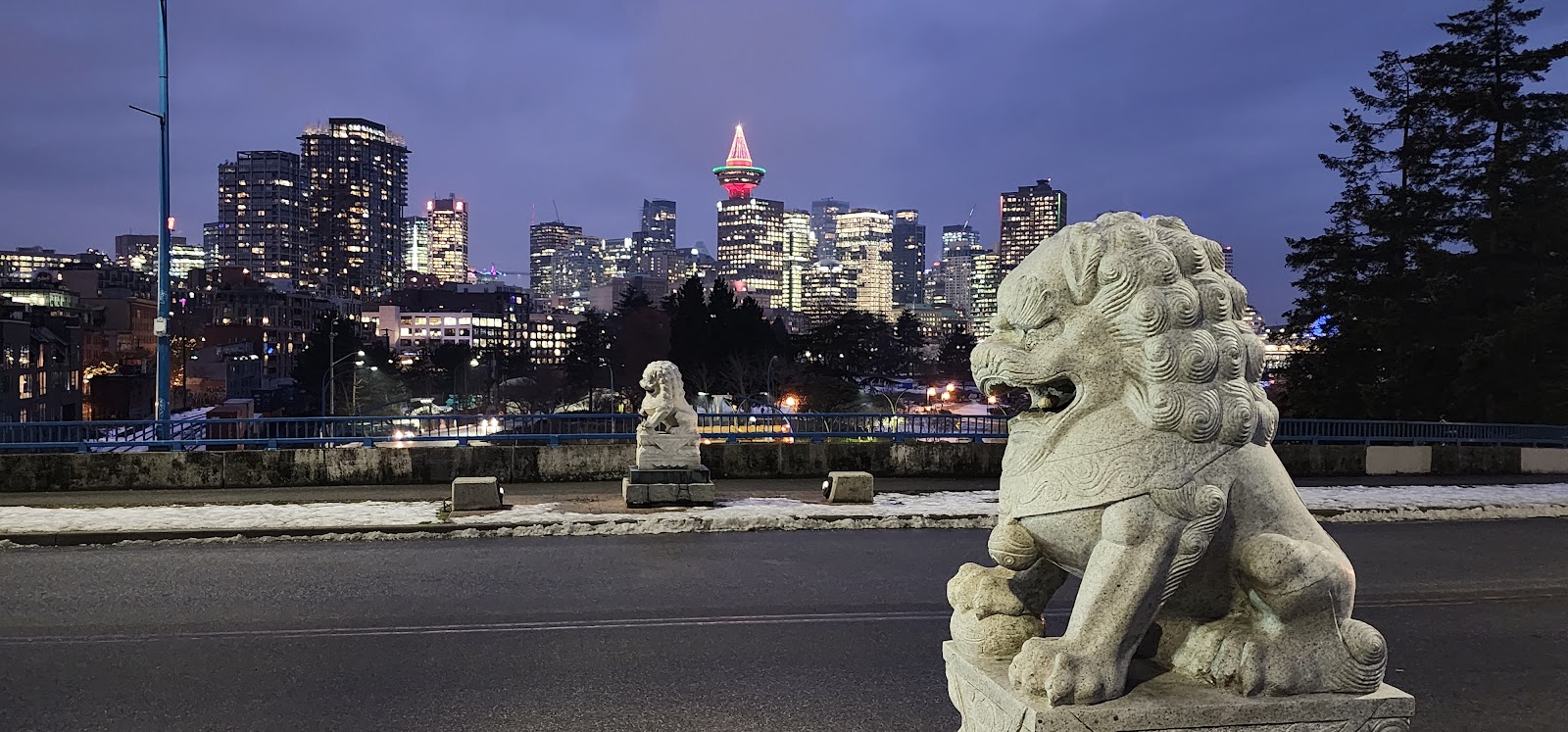
Photo: Russell Toopitson
You have already made the decision. Vancouver. Now you need to know what nobody puts in the tourism brochure: which neighbourhood actually fits your life, where the grocery run is not a production, what winter really feels like when the rain does not stop for six weeks, and how to get your entire household 2,302 kilometres west from Winnipeg without losing your mind or your grandmother's china cabinet along the way.
This guide is published by Quick Transfer Moving and Storage, a family-owned and operated company based in Winnipeg, Manitoba. We are a proud member of United Van Lines (Canada) Ltd., which means we coordinate cross-Canada moves from our facility on Pandora Avenue East in Winnipeg to destinations across BC and beyond. We are not pretending to be local to Vancouver. We are the people who get you there.
Written estimates and transparent pricing because you deserve to know exactly what you are paying before moving day. That is how we operate. And everything below is written the same way. Straight. Specific. Useful.
THE MOVE ITSELF
2,302 kilometres is a logistics job, not a road trip
The drive from Winnipeg to Vancouver via the Trans-Canada runs about 23 hours of wheel time. In practice, most people split it over three days. You will cross the prairies through Saskatchewan, climb the Rockies through Rogers Pass, and descend into the Fraser Valley. Rogers Pass is stunning and unforgiving. In winter, chain requirements and avalanche closures are real. In summer, construction season slows you down.
But if you are moving a household, you are not driving a loaded truck yourself. A cross-Canada move of this distance requires proper logistics: weight calculation, climate-controlled transport for anything fragile, and a delivery window that actually holds. That is exactly what a United Van Lines network move is built for. One company. One contract. One point of contact from Winnipeg to Vancouver. Family-owned and operated in Winnipeg with personal accountability on every move.
The Route: Trans-Canada Highway (Highway 1)
The primary corridor from Winnipeg. Through Regina and Calgary, then south through Banff or north through Kamloops depending on your preference and the season. The southern route through the Coquihalla Highway (Highway 5) is faster but closed more often in winter. Budget three driving days if you are doing it yourself. Confirm current road conditions through DriveBC before you leave.
Rogers Pass
The most dramatic stretch of the drive. Located in Glacier National Park between Revelstoke and Golden, BC. Elevation 1,330 metres. Avalanche control closures happen regularly in winter. Carry chains from October through April, and check DriveBC for closures before you commit to the day's drive.
YVR. Vancouver International Airport
If you are flying ahead of your belongings, YVR is your arrival point. Located on Sea Island in Richmond, about 25 minutes south of downtown Vancouver. Canada Line SkyTrain connects the airport directly to downtown for around $10. Direct flights from Winnipeg run daily on WestJet and Air Canada, roughly 3 hours.
Temporary Storage in Transit
If your Vancouver home is not ready when your truck arrives, storage in transit is standard on a United Van Lines network move. Your belongings stay in secure, inventoried warehouse storage at the destination until you are ready for delivery. Confirm the terms and daily rate in your written estimate before the move.
NEIGHBOURHOODS THAT ACTUALLY MATTER
Where you live changes everything about how Vancouver feels
Vancouver is not one city. It is a patchwork of neighbourhoods that feel completely different from each other, stitched together by bridges, SkyTrain lines, and traffic that will test your patience. Picking the right neighbourhood is not about prestige. It is about matching your commute, your family's needs, and your tolerance for rain, noise, and steep hills. Rents and home prices vary enormously. Confirm current market rates through local listings before you commit, because anything printed here will be out of date within months.
Kitsilano (Kits)
West side, south of English Bay. The neighbourhood people picture when they think of Vancouver lifestyle: beach volleyball at Kits Beach, yoga studios, organic grocery stores, young professionals and young families. Walk to Kits Pool, one of the longest saltwater pools in Canada. Excellent access to the Seaside Greenway cycling path. Rents are high. Transit access is bus-based, no SkyTrain station in the neighbourhood itself.
Mount Pleasant
South of False Creek, centred on Main Street. The neighbourhood shifted from working class to one of the most sought-after areas in the city over the past fifteen years. Breweries (33 Acres, Brassneck), independent restaurants, and the craft economy live here. Good for couples and young professionals. SkyTrain access via the Canada Line at Broadway-City Hall. Main Street between 7th and 30th Avenue is the commercial spine.
Commercial Drive (The Drive)
East Vancouver, running north-south from Venables to roughly 22nd Avenue. Italian roots, now one of the most culturally mixed corridors in the city. Independent coffee shops, produce markets, and restaurants that have been there for decades alongside newer spots. The vibe is less polished than Kits, more neighbourhood. SkyTrain access at Commercial-Broadway station, which is the transfer point between the Expo and Millennium lines.
Burnaby (Metrotown area)
Technically a separate municipality east of Vancouver, but it functions as part of the metro area. Metrotown is anchored by Metropolis at Metrotown, one of the largest malls in BC. High-rise condo density. More affordable than Vancouver proper for equivalent space. Excellent SkyTrain access on the Expo Line. Good for families who want urban convenience without Vancouver-proper pricing.
North Vancouver
Across the Burrard Inlet via the Lions Gate Bridge or Second Narrows Bridge. Mountain access is the draw: Grouse Mountain, Lynn Canyon, and the trail network are minutes from residential streets. The Shipyards district at Lonsdale Quay has been redeveloped with restaurants, a brewery district, and a public market. SeaBus connects Lonsdale Quay to downtown Waterfront Station in 12 minutes. Bridge traffic is the trade-off. If your commute crosses a bridge at rush hour, budget an extra 30 to 45 minutes.
New Westminster
Further east on the SkyTrain Expo Line, sitting on the Fraser River. One of the oldest cities in BC. More affordable housing stock, including older character homes. The Quay boardwalk along the river is the centrepiece. Good school options. The commute to downtown Vancouver is roughly 30 to 40 minutes by SkyTrain depending on your station.
Coquitlam and Port Coquitlam
Northeast of Burnaby, connected by the Evergreen Extension of the Millennium Line. Larger lots, more suburban feel, good parks and recreation infrastructure. Coquitlam Centre mall for retail. Families with children find more space here for the dollar. The trade-off is distance: you are 45 minutes to an hour from downtown Vancouver by transit.
GETTING AROUND
You do not need a car for everything, but you will want one sometimes
Vancouver's transit system is better than most Canadian cities and worse than it thinks it is. The SkyTrain is the backbone: three automated light-metro lines (Expo, Millennium, Canada) covering a wide swath of the metro area. Buses fill in the gaps. The SeaBus crosses Burrard Inlet to North Vancouver. All of it runs on the Compass Card system, a reloadable tap card you pick up at any SkyTrain station.
That said, if you live outside the SkyTrain corridor, or your life involves moving kids to activities in different parts of the city, a car makes things significantly easier. Just know that gas is expensive, parking downtown is painful, and bridge traffic at rush hour is a specific kind of misery that Winnipeggers are not prepared for.
SkyTrain
Three lines: the Expo Line (downtown to Surrey via Burnaby and New Westminster), the Millennium Line (VCC-Clark to Coquitlam via Commercial-Broadway), and the Canada Line (downtown to Richmond and YVR airport). Trains run every 2 to 6 minutes during peak hours. The system is automated and driverless. A monthly adult pass for all three zones runs in the range of $130 to $180 depending on how many zones you cross. Confirm current fares through TransLink.
Bus Network
TransLink operates an extensive bus network across Metro Vancouver. The 99 B-Line along Broadway is one of the busiest bus routes in North America. Night buses (the N-series) run limited routes after SkyTrain shuts down around 1:15 a.m. Real-time tracking is available through the TransLink app.
Cycling Infrastructure
Vancouver has invested heavily in separated bike lanes, particularly downtown and along the Seaside Greenway. The city is flat enough in most areas to make cycling practical for commuting. Mobi by Shaw Go is the bike-share system with stations across the city. Rain gear is not optional from October through March.
Driving and Parking
Gas prices in Vancouver are consistently among the highest in Canada. Downtown parking meters and lots are expensive. Many residential streets in denser neighbourhoods require a residential parking permit. If you are moving from Winnipeg, where parking is rarely a thought, this will be an adjustment. ICBC is the sole provider of basic auto insurance in BC. You must switch your vehicle registration and insurance within 30 days of establishing residency.
SeaBus
A passenger ferry connecting Waterfront Station downtown to Lonsdale Quay in North Vancouver. The crossing takes 12 minutes. It runs on the Compass Card system and is part of your transit fare. The views of the harbour and mountains from the water are genuinely spectacular, even after you have done it a hundred times.
WHAT THE WEATHER IS ACTUALLY LIKE
Mild does not mean easy. It means wet.
If you are coming from Winnipeg, the first thing you will notice is the absence of a real winter. Vancouver rarely drops below zero. Snow at sea level is an event, not a season. You will not need a block heater. You will not shovel.
What you will do is get rained on. From roughly late October through March, Vancouver is grey and wet. Not dramatic downpours. A persistent, steady drizzle that lasts for weeks. It is not cold rain. It is 6°C rain. And it does something to your mood that you will not expect until you are three months into it. Locals call it the "grey." It is the single biggest reason people leave.
Summers, though. Summers are the payoff. July and August are warm, dry, and almost absurdly beautiful. Long daylight hours. Mountains visible from every angle. The city transforms. Everyone is outside. It is one of the best urban summers in Canada.
Winter (November through March)
Expect daytime highs around 5°C to 8°C. Rain is constant. Snowfall at sea level happens maybe once or twice a year and the city shuts down when it does because there is almost no snow-clearing infrastructure. Invest in a good rain jacket, not an umbrella. Locals do not use umbrellas.
Spring (April through May)
Cherry blossoms start in late March and peak in April. Vancouver is famous for them. Temperatures climb to 12°C to 16°C. Rain tapers off. The mountains still have snow on them, which makes the contrast with the blooming city striking.
Summer (June through September)
Dry, warm, and long. July and August highs around 22°C to 25°C. Rain is rare. Wildfire smoke from the BC interior can roll in during August and September, turning the sky hazy and dropping air quality. Check the BC Air Quality Index during smoke season. This has become a recurring pattern in recent years.
Fall (October)
The transition month. Still pleasant early on, with temperatures around 12°C to 15°C. The rain starts mid-month and does not really stop until spring. Fall foliage is beautiful in Stanley Park and along the North Shore.
GREEN SPACE AND OUTDOOR LIFE
The mountains, the ocean, and the parks are not marketing. They are your backyard.
This is the thing about Vancouver that is not exaggerated. The outdoor access is extraordinary. You can be on a ski hill 20 minutes from downtown. You can kayak in English Bay on a Tuesday after work. You can hike old-growth forest in Pacific Spirit Regional Park and be back for dinner. The city is built around water and mountains in a way that makes the outdoors part of daily life, not a weekend trip.
Stanley Park
A 405-hectare park at the tip of the downtown peninsula. The Seawall path around the perimeter is 8.8 kilometres and is the most-used recreational path in the city. Inside the park: old-growth cedar and Douglas fir forest, Beaver Lake, the Vancouver Aquarium, Prospect Point lookout, Second Beach and Third Beach. It is the single best thing about living in Vancouver.
Grouse Mountain
The closest ski hill to the city, located in North Vancouver. A 15-minute drive from the Lions Gate Bridge. The Grouse Grind trail (2.9 km, 853 metres of elevation gain) is Vancouver's most famous workout hike. In winter, night skiing with city views. In summer, the gondola runs for hiking and mountain-top activities.
Pacific Spirit Regional Park
A 763-hectare forest park on the west side of Vancouver, surrounding the University of British Columbia campus. 73 kilometres of trails through second-growth forest. Mostly flat, quiet, and surprisingly wild for being inside a major city. Popular with trail runners, dog walkers, and anyone who needs to disappear into trees for an hour.
Lynn Canyon Park
North Vancouver. A free suspension bridge (unlike the paid Capilano Suspension Bridge nearby), swimming holes in the canyon, and well-maintained trails through old-growth forest. The 30 Foot Pool is a popular summer swimming spot, though the water is glacial cold. The Lynn Canyon Ecology Centre offers free exhibits.
Kits Beach and Jericho Beach
Two of the most popular beaches on the west side. Kits Beach has a massive outdoor saltwater pool (Kitsilano Pool, 137 metres long), beach volleyball courts, and a concession stand. Jericho Beach is slightly quieter, with a sailing centre and views across English Bay to downtown. Both are packed on summer evenings.
Queen Elizabeth Park
Located at the highest point in Vancouver, on Cambie Street at 33rd Avenue. The Bloedel Conservatory is a domed tropical garden at the summit. The park has manicured gardens, pitch-and-putt golf, tennis courts, and panoramic views of the city and mountains. Free to enter. The conservatory has a small admission fee.
Deep Cove
A small waterfront village in North Vancouver at the end of the road. The launch point for kayaking in Indian Arm, a steep-walled glacial fjord. The Quarry Rock hike (3.8 km round trip) is short and crowded but the views are worth it. Honey Doughnuts & Goodies is the bakery everyone goes to after the hike. Get there early on weekends.
FOOD AND DRINK
You will eat better here than almost anywhere else in Canada
Vancouver's food scene is one of the best in the country, and it is not close. The combination of Pacific Rim geography, massive Chinese, Japanese, Korean, Indian, and Filipino communities, and access to fresh Pacific seafood creates a city where a strip mall in Richmond serves better dim sum than most fine-dining restaurants in other provinces. Sushi in Vancouver is on a different level than anything you have had in Winnipeg. That is not a slight against Winnipeg. It is just geography.
Richmond (for Chinese and Asian cuisine)
Technically a separate municipality south of Vancouver, but it is where you go for the best Chinese food in North America outside of Asia. The stretch of No. 3 Road and Alexandra Road has hundreds of restaurants: Cantonese, Shanghainese, Sichuan, Taiwanese, Hong Kong-style cafes, and dim sum houses. Aberdeen Centre and Yaohan Centre are Asian malls with food courts that are destinations in themselves.
Granville Island Public Market
A covered market under the Granville Street Bridge on False Creek. Local produce, seafood, baked goods, specialty food vendors, and craft shops. It is touristy and it is still worth going regularly. The Lee's Donuts line is long for a reason. Accessible by Aquabus or False Creek Ferries from several downtown and Kits docks.
Sushi on the West Side
Vancouver sushi is its own category. The density of quality sushi restaurants, particularly along West Broadway, Dunbar, and Kerrisdale, is unmatched in Canada. Tojo's is the most famous (the inside-out roll was invented there). Miku downtown does aburi (flame-seared) sushi that draws lineups. Dozens of smaller spots are just as good and half the price.
Main Street and Fraser Street Restaurants
The restaurant corridor running through Mount Pleasant and South Vancouver. Everything from Neapolitan pizza (Farina a Legna) to Vietnamese pho shops to modern Canadian tasting menus. This is where Vancouver's independent restaurant culture is most alive. Walk south on Main from 2nd to 30th and eat your way through the city.
Craft Beer
Vancouver and its suburbs have one of the densest concentrations of craft breweries in Canada. The Brewery Creek area around Main and 7th has several within walking distance: 33 Acres, Brassneck, Main Street Brewing. East Vancouver adds Storm Brewing, Parallel 49, and others. Most have tasting rooms. Many allow dogs.
The Drive (Commercial Drive) Food
Italian bakeries and delis that have been there since the neighbourhood was Little Italy, alongside Ethiopian, Latin American, and Vietnamese restaurants. Café culture is strong here. JJ Bean and Turks Coffee are local chains. The produce shops sell better tomatoes than most grocery stores.
SCHOOLS AND FAMILIES
The school system is solid, but catchment is everything
Public schools in Vancouver are run by the Vancouver School Board (VSB), which operates elementary (K-7) and secondary (8-12) schools across the city. Outside Vancouver proper, each municipality has its own school district: Burnaby (SD41), North Vancouver (SD44), New Westminster (SD40), Coquitlam (SD43), and so on.
Catchment boundaries determine which school your child attends based on your home address. These boundaries shift, and cross-boundary enrollment is possible but not guaranteed. Confirm your catchment school through the relevant school district's website before you finalize a neighbourhood. Do not rely on a real estate listing to tell you which school your child will attend.
Vancouver School Board (VSB)
The largest school district in BC, operating about 90 elementary schools and 18 secondary schools. French Immersion programs are available and popular, but spots fill early. The district also runs Montessori and fine arts programs at select schools. International Baccalaureate (IB) is offered at a few secondary schools.
Private and Independent Schools
Vancouver has a significant independent school sector. Schools like St. George's, York House, Crofton House, and West Point Grey Academy are well-established. Many have waitlists that start years in advance. Tuition varies widely. The Federation of Independent School Associations (FISA BC) maintains a searchable directory.
Childcare and Daycares
Childcare in Vancouver is expensive and waitlists are long. Start looking the moment you know your move date. The BC government has been expanding the $10-a-day childcare program, but not all centres participate. The City of Vancouver's childcare website lists licensed facilities. Many families also use family daycares or nanny shares.
Community Centres for Kids
Vancouver's community centres run extensive children's programming: swimming lessons, sports leagues, arts programs, and summer day camps. Hillcrest Community Centre (near Queen Elizabeth Park), Kitsilano Community Centre, and Trout Lake Community Centre are among the most active. Registration opens seasonally and popular programs fill fast.
COST OF LIVING
Vancouver is expensive. Plan for it rather than being surprised by it.
There is no gentle way to say this. Vancouver is one of the most expensive cities in Canada. Housing is the big number. Whether you are renting or buying, you will pay significantly more per square foot than you did in Winnipeg. A two-bedroom apartment in a decent neighbourhood can run well above $2,500 per month. Detached houses in most Vancouver neighbourhoods are priced in the millions. These numbers shift constantly. Confirm current listings before you budget.
Groceries, gas, and dining out are also higher than the national average. The trade-off is that BC has no provincial sales tax on most food, and the climate means lower heating bills in winter.
Housing (Rental)
Vancouver's rental vacancy rate has been among the lowest in Canada for years. Expect competition for good units. Purpose-built rental buildings, basement suites, and condo rentals are the main options. Pet-friendly units are harder to find. BC's Residential Tenancy Branch regulates rent increases and tenant rights. Know your rights before you sign.
Housing (Buying)
The benchmark price for a detached home in Metro Vancouver has been above $1.5 million for years. Condos and townhomes are more accessible but still substantially higher than Winnipeg equivalents. The BC Property Transfer Tax applies on purchases. First-time buyers may qualify for exemptions. Work with a local mortgage broker who understands BC-specific programs.
Groceries and Daily Expenses
Major chains include Save-On-Foods, Superstore, Whole Foods, and T&T Supermarket (outstanding for Asian groceries). Produce is generally better and more available year-round than in Winnipeg, thanks to proximity to the Fraser Valley and California supply chains. Expect to pay more for dairy and meat.
Auto Insurance (ICBC)
BC has a public auto insurance system run by ICBC. Basic coverage is mandatory and purchased through ICBC. Optional coverage can be purchased through ICBC or private insurers. Rates depend on your driving record, vehicle, and where you live. Many people moving from the prairies experience sticker shock. Get a quote before you arrive.
Income Tax
BC's provincial income tax rates are competitive with other provinces. There is no payroll tax equivalent to Manitoba's Health and Education Levy for most employees. The combined federal-provincial marginal rates are slightly lower than Manitoba's for most income brackets, but the higher cost of living absorbs that difference quickly.
SETTING UP YOUR NEW HOME
The utilities and services you need to connect before you unpack
Get these sorted before moving day, not after. Some require lead time, and being without internet or heat in a new city is a bad way to start.
Electricity. BC Hydro
BC Hydro is the primary electricity provider for most of Metro Vancouver. Set up your account online before your move date. BC's electricity rates are among the lowest in Canada, which is one of the genuine cost-of-living advantages here.
Natural Gas. FortisBC
If your home uses natural gas for heating or cooking, FortisBC is the provider. Not all Vancouver homes use gas. Many newer condos are all-electric. Confirm with your landlord or strata what is included and what you need to set up.
Internet and Telecom
The main providers are Telus and Shaw (now Rogers). Smaller providers like TekSavvy and Lightspeed offer competitive rates on the same infrastructure. Fibre internet is widely available in urban areas. Confirm availability at your specific address before you sign a lease based on the assumption of good internet.
Water and Garbage
Water is included in property taxes for homeowners. For renters, it is typically included in rent. Garbage, recycling, and green waste collection schedules vary by municipality. Vancouver has a strict waste-sorting system. Learn the rules early. The city provides bins and a collection calendar.
BC Services Card and Driver's Licence
You must apply for a BC driver's licence within 90 days of establishing residency. Visit an ICBC driver licensing office (not a broker). Your Manitoba licence allows a direct transfer without a road test in most cases. The BC Services Card combines your health card and photo ID. Apply through a Service BC location.
CULTURE, SPORTS, AND THINGS TO DO
A city with enough going on that you stop missing what you left
Vancouver is not Winnipeg. The cultural DNA is different. It is more outdoors-oriented, more Pacific Rim, less community-hall and more yoga-studio. But it has depth. Live music, professional sports, film festivals, public art, and a theatre scene that punches above its weight. You will find your people. It just takes a few months.
Vancouver Canucks (NHL)
The Canucks play at Rogers Arena downtown. The fan culture is passionate and the arena is easy to reach by SkyTrain (Stadium-Chinatown station). Ticket prices range from reasonable in the upper bowl to very expensive at ice level. Playoff runs turn the entire city electric.
BC Lions (CFL) and Vancouver Whitecaps (MLS)
Both play at BC Place Stadium downtown, a retractable-roof stadium near False Creek. The Lions play in the summer and fall CFL season. The Whitecaps play MLS soccer from spring through fall. BC Place is also the venue for major concerts and events.
Live Music and Concerts
The Commodore Ballroom on Granville Street is one of the best mid-size live music venues in Canada. The Orpheum Theatre hosts the Vancouver Symphony Orchestra and touring acts. Smaller venues like the Rickshaw Theatre, the Fox Cabaret, and the Hollywood Theatre host indie and local acts. Summer brings outdoor concerts at Malkin Bowl in Stanley Park and various park stages.
Vancouver International Film Festival (VIFF)
One of the largest film festivals in North America, running annually in late September and early October. Screens hundreds of films from around the world, with a particular strength in East Asian cinema. Passes and individual tickets are available. Screenings happen at venues across the city.
Farmers Markets
Multiple weekly farmers markets run from roughly May through October across the city. The Trout Lake Farmers Market (Saturdays), Kitsilano Farmers Market (Sundays), and Main Street Station Farmers Market (Wednesdays in summer) are among the most popular. Local produce, baked goods, prepared foods, and crafts. Check the Vancouver Farmers Markets website for the current season schedule.
Museums and Galleries
The Museum of Anthropology at UBC is world-class, particularly its Northwest Coast Indigenous art collection. The Vancouver Art Gallery downtown rotates major exhibitions. Science World at the geodesic dome on False Creek is the go-to for families with kids. The Museum of Vancouver in Vanier Park covers local history.
COMMUNITY AND CULTURE
Vancouver is one of the most multicultural cities on the planet
According to census data, roughly half of Metro Vancouver's population identifies as a visible minority. The city's Chinese, South Asian, Filipino, Korean, Japanese, and Iranian communities are large, established, and deeply woven into the city's fabric. This is not diversity as a talking point. It is the reality of who lives here, who runs businesses here, and what the city sounds and tastes like on any given block.
Religious communities, cultural associations, and language-specific services are widely available. Settlement services for newcomers to Canada are extensive, run through organizations like MOSAIC, ISSofBC (Immigrant Services Society of BC), and SUCCESS.
Chinatown
One of the oldest and largest Chinatowns in North America, centred on Pender Street between Carrall and Gore. The Dr. Sun Yat-Sen Classical Chinese Garden is a peaceful landmark. The neighbourhood has faced challenges with gentrification and the adjacent Downtown Eastside, but it remains a cultural anchor. The Chinatown Night Market runs in summer.
Punjabi Market (South Vancouver)
Centred on Main Street between 48th and 51st Avenue. Sari shops, jewellers, sweet shops, and restaurants. The neighbourhood is the historic heart of Vancouver's South Asian community. The Vaisakhi Parade, held annually in April, draws tens of thousands and is one of the largest Sikh celebrations outside of India.
Little Italy (Commercial Drive)
The Drive retains its Italian heritage alongside its newer multicultural identity. Italian Cultural Centre on Grandview Highway hosts events, language classes, and community programming. The annual Italian Day celebration on the Drive, typically in June, shuts down the street for food, music, and bocce.
LGBTQ+ Community (Davie Village)
Davie Street in the West End is Vancouver's historically LGBTQ+ neighbourhood. Rainbow crosswalks, community centres, and businesses that have served the community for decades. The Vancouver Pride Parade and Festival, held annually in late July or early August, is one of the largest in Western Canada.
PRACTICAL THINGS NOBODY TELLS YOU
The small stuff that makes the first six months easier
This is the section that saves you from learning everything the hard way.
The Rain Gear Rule
Buy a proper rain jacket with a hood. Not a fashion coat. Not a windbreaker. A waterproof, breathable shell. Gore-Tex or equivalent. You will wear it more than any other piece of clothing from October to April. Umbrellas mark you as a tourist or a newcomer.
The Bridge Problem
If your daily commute crosses the Lions Gate Bridge, the Ironworkers Memorial (Second Narrows) Bridge, or the George Massey Tunnel, add 20 to 45 minutes to your commute estimate during rush hour. This is not an exaggeration. Plan your neighbourhood around your commute, not the other way around.
Earthquake Preparedness
Vancouver is in an active seismic zone. A major earthquake on the Cascadia Subduction Zone is a matter of when, not if. Keep a 72-hour emergency kit in your home: water, food, first aid, flashlight, radio, and copies of important documents. The City of Vancouver and PreparedBC have detailed checklists.
The January Blues Are Real
The seasonal darkness and rain affect people more than they expect, especially if you are coming from a prairie city with brutal cold but abundant sunshine. Vitamin D supplements, a daylight lamp, and staying physically active through the winter are not optional if you want to stay sane. Join a gym, a running group, or a rec league early.
Tipping Culture
Same as the rest of Canada. 15 to 20 percent at restaurants. Many payment terminals now default to 18 to 25 percent prompts. Tip what you are comfortable with.
GETTING YOUR BELONGINGS THERE
The move itself is the part we handle
Here is the straight truth. A 2,302-kilometre move from Winnipeg to Vancouver is not something you figure out with a rental truck and a prayer. It is a logistics operation. Your furniture, your fragile items, your kids' stuff, your home office equipment. All of it needs to arrive intact, on time, and without a surprise invoice at the other end.
Quick Transfer Moving and Storage is family-owned and operated in Winnipeg with personal accountability on every move. We are a proud member of United Van Lines (Canada) Ltd. for national and international reach. That means your belongings move on a verified network with real infrastructure, real tracking, and a real claims process. Not a broker. Not a subcontractor you have never heard of.
Written estimates and transparent pricing because you deserve to know exactly what you are paying before moving day. We sit down with you, walk through every detail, and put it in writing. The number on the estimate is the number on the invoice.
If your Vancouver home is not ready when the truck arrives, your belongings go into secure storage in transit. One company. One contract. One point of contact from Winnipeg to your new front door.
Whether you are moving a one-bedroom apartment or a four-bedroom house with a piano and a home gym, this is what we do. We have been doing it since 1957.
Get your free written estimate and plan your Winnipeg-to-Vancouver move