Your Complete Relocation Guide to San Diego
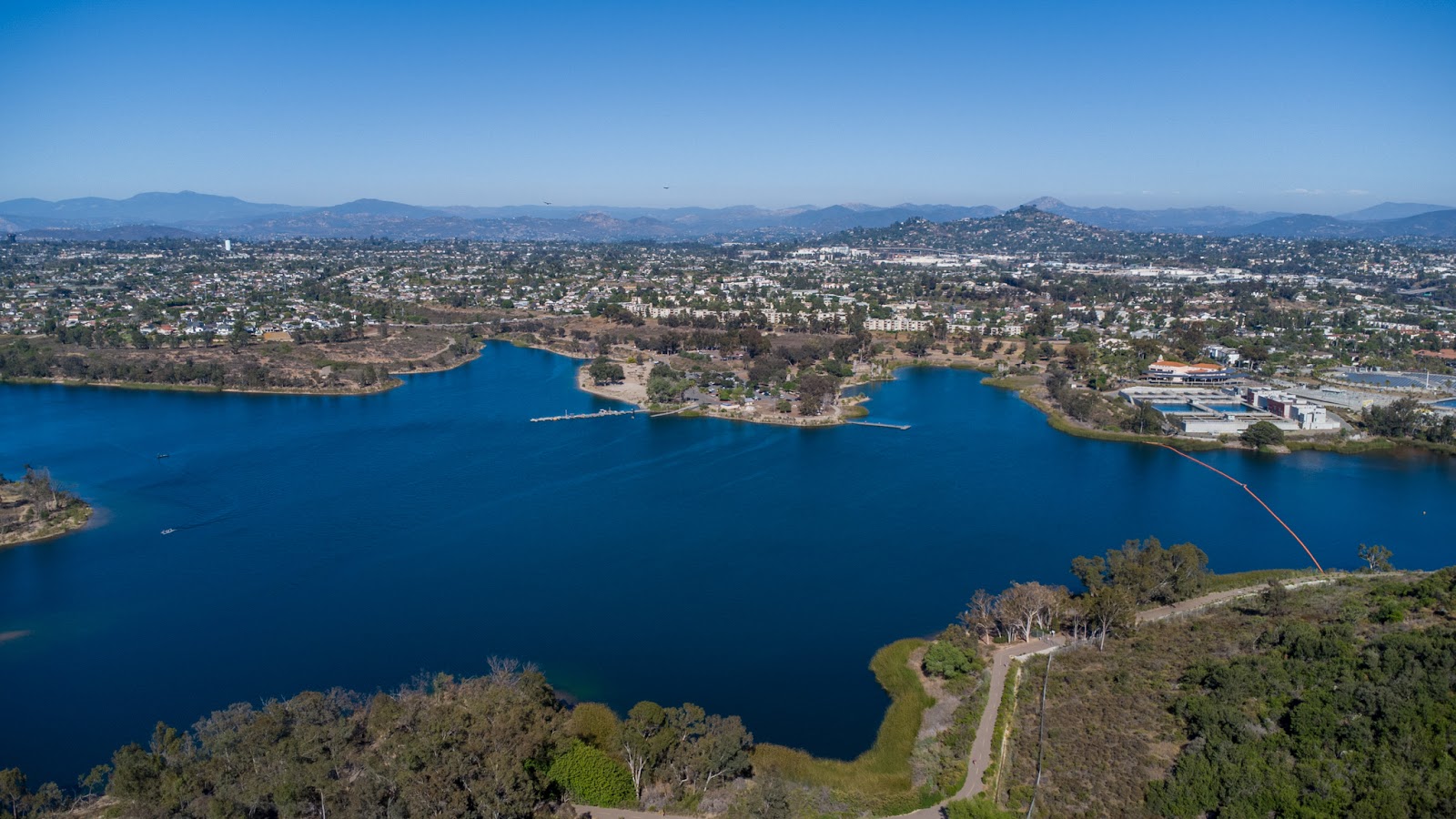
Photo: Ron Watt
You have made the decision. San Diego is where you are going. What you need now is not another list of beaches and sunshine statistics. You need to know which neighbourhood to actually live in, what the commute will cost you in time, where the good schools are, and what daily life looks like once the boxes are unpacked.
This guide comes from Quick Transfer Moving and Storage, a family-owned moving company based in Winnipeg, Manitoba, Canada. We have been moving people across the country and internationally since 1957, and as a United Van Lines (Canada) Ltd. member, we have helped plenty of Canadians land in American cities and get settled properly. We will tell you plainly what we know, and we will tell you when to verify something yourself because it changes faster than a guide can keep up.
The Journey From Winnipeg to San Diego
Driving distance from Winnipeg to San Diego runs approximately 3,252 kilometres by the fastest route, which takes roughly a day and six hours of straight driving. Nobody does it in one push. The most practical split is two days: Winnipeg to somewhere in Montana or Idaho, then down through Nevada or along the California coast the second day. If you are shipping your vehicle rather than driving it, your United Van Lines agent can coordinate that as part of your overall move.
For most families, the practical question is not whether to drive but whether to fly ahead and let the household goods follow on the truck. That is a common approach for international and long-distance moves of this distance. Your belongings travel under a written estimate with no surprise charges on delivery day. That is not a small thing in a market where hidden fees are a documented problem.
The distance from Winnipeg to San Diego is not the hard part of this move. Choosing where to land in a city you have never lived in is.
Understanding San Diego's Geography Before You Choose a Neighbourhood
San Diego is not one city that happens to have a beach. It is a collection of distinct communities spread across a large county, and the difference between living in La Jolla and living in Chula Vista is not just a matter of price. It is a completely different daily experience.
The city sits in the southwest corner of California, bordered by the Pacific Ocean to the west, Mexico to the south, and a ring of inland communities to the north and east. The terrain is genuinely varied: coastal bluffs, canyons, mesas, and inland valleys. That geography shapes everything from the commute to the microclimate. The coast runs roughly ten degrees cooler than the inland communities in summer, which matters more than most transplants expect.
The main corridors to understand are Interstate 5 running north-south along the coast, Interstate 15 running north-south through the inland communities, and Interstate 8 running east-west from the coast through Mission Valley and out to the desert. Where those lines intersect with your workplace is where your neighbourhood search should start.
Neighbourhoods Worth Knowing
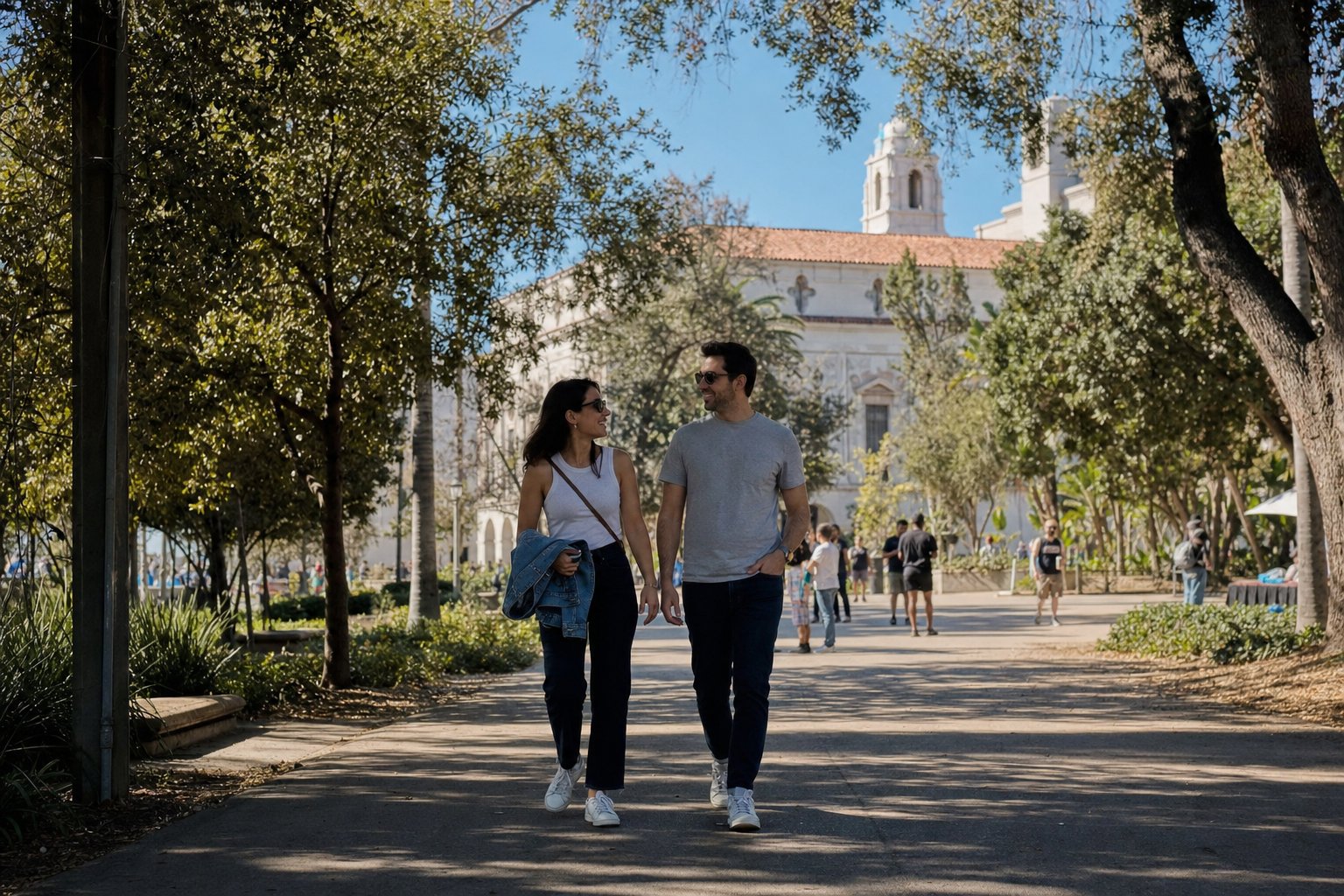
San Diego's neighbourhoods have real personalities, and choosing the wrong one for your life is the most expensive mistake a transplant can make. Here is an honest read on the ones that come up most often for people relocating from outside California.
North Park and South Park sit just east of Balboa Park and draw people who want walkability, independent restaurants, and a neighbourhood that feels lived-in rather than manicured. North Park in particular has a dense strip of bars and restaurants along 30th Street that has become one of the more recognized food corridors in the city. The housing stock is older Craftsman bungalows and Spanish-style homes, and the streets are genuinely walkable by San Diego standards. If you are coming from a Canadian city and missing the ability to walk to things, this part of town comes closest.
Mission Hills is immediately north of downtown and borders Old Town. It is quieter than North Park, the homes are larger and older, and the canyon views are legitimately beautiful. Families who want proximity to downtown without the density tend to land here.
Hillcrest sits between Mission Hills and North Park and is one of the most established urban neighbourhoods in the city, with a strong independent business culture and good access to Balboa Park. It skews more apartment and condo than single-family home.
La Jolla is on the coast north of downtown and is one of the most expensive communities in the county. The coastline there, specifically the cove and the Children's Pool, is genuinely world-class. The University of California San Diego campus sits at the north end of La Jolla, which pulls a mix of academics and medical professionals into the neighbourhood. If your employer is UCSD or the Scripps Research Institute, you will want to look here first, understanding that the price reflects the address.
Carmel Valley and Del Mar sit further north along the coast and are where many families with school-age children land when they are prioritizing school quality and a quieter suburban environment. The commute to downtown from here is real, often 30 to 45 minutes on Interstate 5 depending on the time of day, but the neighbourhood infrastructure for families is strong.
Pacific Beach and Mission Beach are the classic San Diego beach communities. The housing density is high, parking is a genuine challenge, and the weekend energy is significant. Young professionals without children often love it for exactly those reasons. Families with young children often find it exhausting within a year.
Point Loma sits on the peninsula west of downtown and is one of the more underrated neighbourhoods in the city. It has a genuine neighbourhood feel, proximity to Liberty Station (a converted naval training center that now holds restaurants, galleries, and the farmers market), and views across the bay toward downtown. The housing stock is varied and the community tends to be stable.
Chula Vista and National City are south of downtown, closer to the Mexican border, and offer significantly lower price points than the coastal communities. The commute to the main employment corridors is manageable, and the communities are large and established. If budget is the primary constraint, this part of the county delivers the most square footage per dollar.
Santee, El Cajon, and the East County communities are inland, further east on Interstate 8, and run noticeably warmer in summer. The trade-off for the heat is substantially lower housing costs and more space. People who work in the eastern part of the county or who prioritize larger lots tend to end up here.
Pick your neighbourhood based on your actual daily route, not on which part of the city looks best in photographs.
Schools and Education
San Diego Unified School District is the primary public school district serving the city proper. It is one of the larger districts in California. The district's schools vary considerably in resources and performance, and the quality of your local school will depend heavily on which neighbourhood you land in.
The communities in the northern part of the county, including Carmel Valley, Del Mar, and Rancho Bernardo, are served by different districts including the Poway Unified School District and the Del Mar Union School District for elementary grades. Both carry strong reputations.
Specific school catchment boundaries are the one thing this guide will not attempt to map for you. They change, and the wrong information here costs a family a school year. The San Diego County Office of Education and the individual district websites are the right sources for current boundaries. Confirm which school serves your specific address before you sign a lease or a purchase agreement.
Private school options exist across the city in both secular and faith-based formats. The concentration is highest in the coastal and northern communities.
Getting Around San Diego
San Diego is a car city. That is the plain truth of it. The public transit network, operated by the Metropolitan Transit System, covers the main corridors reasonably well with trolley lines and bus routes, but the coverage outside the central core is limited. If you are coming from a Canadian city where transit is a genuine daily option, plan for a significant adjustment.
The trolley system has three main lines. The Blue Line runs from the Mexican border at San Ysidro north through downtown and up to Old Town. The Green Line runs from downtown east through Mission Valley to Santee. The Orange Line connects downtown to El Cajon via the eastern communities. If your workplace sits on one of those lines, the trolley is a real option. If it does not, you are driving.
Cycling infrastructure has improved significantly in the urban core, particularly in North Park, South Park, and the beach communities. The city has invested in protected lanes on some corridors, and the terrain along the coast is genuinely bikeable. The inland communities are more car-dependent.
Traffic on Interstate 5 through the central corridor, and on Interstate 805 which runs parallel to it, is congested during standard commute hours. The stretch from downtown north toward La Jolla and Del Mar is the most consistent bottleneck. If your workplace is in that corridor and you are looking at a home in the northern coastal communities, account for that commute honestly when you are running your budget.
Parking in the beach communities and in parts of downtown requires a permit for street parking in residential zones. Confirm the parking situation for any specific address before you commit to it.
Parks, Trails, and Outdoor Life
This is where San Diego genuinely delivers something you cannot replicate in Winnipeg regardless of budget.
Balboa Park is the centre of the city's cultural and outdoor life. At roughly 1,200 acres, it holds the San Diego Zoo, seventeen museums, multiple gardens, sports facilities, and trails that cut through the park's canyon terrain. It sits in the geographic middle of the city and is accessible from most central neighbourhoods. The zoo is one of the most significant in North America and is worth knowing about if you are moving with children.
Torrey Pines State Natural Reserve sits on the coastal bluffs north of La Jolla and holds trails that run along the cliff edge above the Pacific. The Torrey pine is one of the rarest pine species in the world and grows almost exclusively here and on Santa Rosa Island. The trails are well-maintained and the views are significant.
Mission Trails Regional Park is a large natural park in the eastern part of the city, east of Mission Valley. It has over 60 miles of trails ranging from easy valley walks to the summit of Cowles Mountain, which is the highest point within the city limits at roughly 1,591 feet and offers a panoramic view of the county. It is a legitimate destination for people who want trail running, hiking, or mountain biking without leaving the city.
Cabrillo National Monument sits at the tip of the Point Loma peninsula and marks the site of the first European landing on the West Coast of the United States. The tidal pools on the Pacific side are accessible during low tide and are one of the better wildlife experiences in the city. The monument overlooks both the bay and the ocean.
The beaches themselves run the length of the city's coastline. Ocean Beach, Mission Beach, Pacific Beach, La Jolla Shores, and the beaches in Del Mar and Solana Beach each have distinct characters. Ocean Beach in particular has a farmers market on Wednesdays that has been running for years and is a genuine neighbourhood institution rather than a tourist draw.
Food, Markets, and Daily Life
San Diego's food scene has developed considerably over the past decade and has genuine depth beyond the obvious Mexican food, which is itself worth relocating for. The proximity to Baja California means the ingredients and the technique in San Diego's Mexican restaurants are different from what you find further north.
The Barrio Logan neighbourhood, south of downtown along the waterfront, holds some of the most respected Mexican restaurants in the city. It is also home to Chicano Park, a significant public art installation under the Coronado Bridge.
North Park's 30th Street corridor has independent restaurants, wine bars, and the kind of density that makes it genuinely worth walking. Little Italy, north of downtown along the waterfront, has a concentration of Italian restaurants and a Saturday farmers market that draws people from across the city every week.
The Little Italy Mercato farmers market runs on Saturday mornings and is one of the larger certified farmers markets in California. The Ocean Beach Farmers Market runs on Wednesdays. The Hillcrest Farmers Market runs on Sundays. The exact hours and vendor lists are maintained by the market operators and worth confirming directly, but the rhythm of those days has been stable for years.
For grocery shopping, the major chains operating in San Diego include Vons, Ralphs, Sprouts, and Trader Joe's, with Whole Foods in the higher-income communities. Mitsuwa Marketplace in Kearny Mesa is a Japanese supermarket that draws shoppers from across the county for produce, prepared food, and specialty items. The Ranch 99 locations serve the Chinese community and carry produce and seafood that the mainstream chains do not.
Events and Community Life
San Diego's outdoor calendar runs year-round in a way that Winnipeg's cannot. The San Diego County Fair runs annually at the Del Mar Fairgrounds in the summer and is one of the largest county fairs in California. The exact dates shift year to year, and the Del Mar Fairgrounds website carries the current schedule.
Comic-Con International takes over the San Diego Convention Center every summer and is one of the largest pop culture conventions in the world. It affects hotel availability and downtown traffic significantly for the days it runs.
The Cabrillo Festival at Cabrillo National Monument marks the anniversary of the 1542 landing each fall. The San Diego Film Festival runs in the fall in the Gaslamp Quarter. Fleet Week San Diego in the fall brings the Navy's ships into the bay for public tours and an air show over the waterfront.
For live music, the Rady Shell at Jacobs Park is an outdoor amphitheater on the waterfront in East Village that opened in 2021 and has become the primary outdoor concert venue in the city. The San Diego Symphony performs there in summer. The venue's programming calendar is maintained on their own site and updated seasonally.
Petco Park in the East Village is home to the San Diego Padres. Snapdragon Stadium in Mission Valley opened in 2022 and hosts San Diego FC, the city's MLS expansion team, as well as San Diego State University football.
Weather: What You Are Actually Getting Into
San Diego's climate is genuinely as good as the reputation suggests, with one caveat Canadians consistently underestimate: the marine layer.
The coastal communities, particularly from late spring through early summer, experience what locals call June Gloom. The marine layer pushes inland overnight and the mornings are grey and cool, often not burning off until midday. It is not dramatic, but if you move to Pacific Beach expecting California sunshine every morning and find yourself in overcast grey for the first two months, you will wonder what you have done. It passes. By July the pattern shifts and the afternoons are reliably clear and warm.
The coastal strip runs roughly 18 to 24 degrees Celsius in summer. The inland communities run 5 to 10 degrees warmer. East County in summer can hit 38 degrees Celsius during heat events. Winter on the coast is mild, typically 13 to 18 degrees Celsius during the day, and frost is essentially absent. Rain falls almost entirely between November and April, with the driest months being June through September.
For Winnipeg transplants, the adjustment is less about cold and more about learning a new set of seasonal rhythms. You will not need a winter coat in the way you have always needed one. That is a genuine change.
==Family-owned and operated in Winnipeg with personal accountability on every move==, Quick Transfer Moving and Storage has been handling long-distance and international relocations since 1957. As a proud member of United Van Lines (Canada) Ltd. for national and international reach, we can move your household from Winnipeg to San Diego under a single contract, with written estimates and transparent pricing because you deserve to know exactly what you are paying before moving day.
The distance is 3,252 kilometres. The logistics are manageable. The neighbourhood choice is the decision that will shape the next several years of your life, and that one is yours to make. This guide gives you the framework. The move itself is something we handle.